

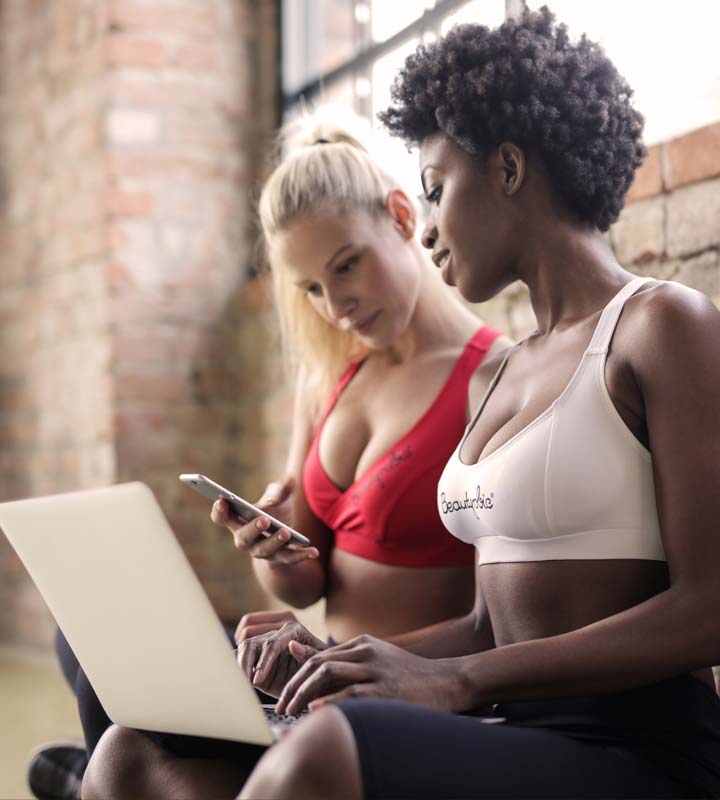
Have you ever wondered why women wear bras every day? Is it necessary for good breast health, does it prevent sagging, or is it simply a matter of comfort and fashion?
These are common questions, but the answers are not always as straightforward as people think. Some women feel more comfortable wearing a bra, while others prefer to go without one. The right choice can depend on breast size, daily activities, clothing, personal comfort, and individual needs.
In this article, we will explore why women wear bras, what benefits they offer, whether wearing one is medically necessary, and the truth behind some common bra-related myths.
Quick Answer: Why Do Women Wear Bras?
Women commonly wear bras for breast support, comfort during physical activity, clothing coverage, and personal preference. A properly fitted bra can reduce breast movement during exercise and make everyday activities more comfortable for some women.
However, wearing a bra is not compulsory for every woman. There is no good evidence that every woman needs to wear one to maintain breast health, prevent sagging, or reduce the risk of breast cancer. Source: American Cancer Society.
1. Why Do Women Wear Bras? Understanding the Main Reasons
1.1 To Provide Breast Support
One of the main reasons women wear bras is to support breast tissue during everyday activities.
Breasts contain fatty tissue, glandular tissue, connective tissue, and supporting structures. Their size and weight vary from person to person.
For women with larger or heavier breasts, a supportive bra may make walking, standing, working, or performing daily tasks more comfortable. The level of support needed varies from woman to woman.
1.2 To Reduce Breast Movement During Exercise
Have you ever noticed that running, jumping, or exercising can cause discomfort when the breasts move repeatedly?
During activities such as jogging, dancing, aerobics, and gym workouts, breast movement can cause discomfort for some women.
A well-fitted sports bra helps reduce this movement and may make exercise more comfortable. Different sports bras provide different levels of support, so the best choice depends on the activity and the individual’s needs.
1.3 To Feel Comfortable Throughout the Day
Comfort is another important reason for wearing a bra.
Some women feel more comfortable with additional support, especially when they have larger breasts or spend long periods walking or standing. Others find bras restrictive and prefer not to wear them.
Neither preference is automatically better than the other. What matters is whether the clothing feels comfortable and suits the person’s activities.
1.4 To Provide Coverage Under Clothing
Certain fabrics, such as thin cotton, lightweight T-shirts, and transparent materials, may show the outline of the nipples.
Some women choose bras to provide additional coverage or to create a particular appearance under their clothes.
Others are comfortable without that coverage.
This is a personal clothing preference, not a medical requirement.
1.5 To Achieve a Preferred Appearance
Bras come in many styles, including padded bras, push-up bras, wireless bras, minimizer bras, and sports bras.
Some styles temporarily change the appearance of the breasts under clothing by lifting, shaping, or redistributing breast tissue.
However, a bra does not permanently increase breast size or fundamentally change breast development.
1.6 To Help Manage Discomfort Associated With Breast Size
Some women experience breast discomfort during exercise or certain daily activities. Additional support may help reduce movement-related discomfort.
However, breast pain can have several causes, and a bra is not a solution to every type of pain. Persistent or unexplained discomfort should be discussed with a healthcare professional.
1.7 For Personal Preference and Confidence
Not every reason for wearing a bra is physical.
Some women simply prefer how they look or feel when wearing one. Others feel more relaxed without one.
Family habits, cultural expectations, workplace dress codes, and personal style may also influence clothing choices.
Ultimately, every woman should be able to make this decision according to her own comfort and preferences.
2. Is Wearing a Bra Necessary for Every Woman?
No, wearing a bra is not medically necessary for every woman.
A woman can generally choose to wear a bra or go without one, depending on her comfort and circumstances.
For example:
- A woman with smaller breasts may find that she does not need additional support for everyday activities.
- A woman with larger breasts may prefer a supportive bra to make movement more comfortable.
- A woman who exercises regularly may benefit from wearing a sports bra.
- A woman relaxing at home may prefer not to wear a bra.
- A woman recovering from breast surgery may need to follow specific instructions from her surgeon about breast support.
There is no single rule that applies to all women. Breast size, physical activity, individual comfort, and medical circumstances can influence the decision.
3. Does Wearing a Bra Prevent Breast Sagging?
This is one of the most frequently asked questions about bras.
The short answer is that wearing a bra has not been proven to prevent breast sagging over the long term.
Breast sagging, medically known as breast ptosis, is a natural change that can occur as people age. Factors that contribute include:
- Age-related changes in skin elasticity.
- Genetics and natural breast structure.
- Pregnancy and changes in breast volume.
- Changes in body weight.
- The effects of gravity over time.
A bra can provide temporary lift and support while it is being worn. However, this is different from preventing permanent changes in breast shape.
Likewise, going without a bra has not been established as a cause of breast sagging.
There is limited high-quality research on how long-term bra-wearing habits affect breast shape, so claims that bras either prevent or cause sagging should be treated cautiously. Read the scientific explanation from McGill University.
4. Does Wearing a Bra Stop Breast Growth?
No. There is no good evidence that wearing a properly fitted bra stops normal breast development.
Breast development is influenced by hormones, genetics, age, and other biological factors. It usually begins during puberty, although the timing and rate of development vary considerably.
A bra supports or covers the breasts; it does not control the biological processes responsible for their growth.
Similarly, not wearing a bra does not make breasts grow faster.
Teenagers and young women can choose comfortable bras if they want support or coverage. There is no universal age at which a girl must start wearing one.
5. Is It Safe to Sleep Wearing a Bra?
Many women wonder whether they should remove their bras before going to bed.
For most women, wearing a bra while sleeping is a matter of personal comfort rather than a medical necessity.
Consider the following:
- If you feel comfortable without a bra: You generally do not need to wear one while sleeping.
- If your breasts feel uncomfortable without support: A soft, well-fitting sleep bra may help you feel more comfortable.
- If your bra feels tight or causes irritation: Consider removing it or choosing a less restrictive option.
- If you have recently undergone breast surgery: Follow your surgeon’s instructions, which may include wearing a specific supportive garment.
There is no good evidence that sleeping in a bra prevents normal breast growth or that sleeping without one causes breast sagging. Source: Center for Young Women’s Health.
6. Can Wearing a Bra Cause Breast Cancer?
A common myth claims that wearing a tight bra or an underwire bra can cause breast cancer by blocking the flow of lymph fluid.
Scientific evidence does not support this claim.
The American Cancer Society states that there is no scientific or clinical evidence showing that wearing a bra changes breast cancer risk. Research has not established a link between breast cancer and bra type, including underwire bras.
It is important to distinguish between a myth and a genuine health concern. A poorly fitted bra can cause pressure, discomfort, or skin irritation, but these problems are not the same as cancer.
Women should not rely on bra-wearing habits to prevent breast cancer. Anyone who notices a new breast lump, unusual nipple discharge, persistent unexplained pain, or changes in breast skin should seek medical advice.
Source: American Cancer Society — Breast Cancer Risk Factors.
7. What Happens If a Woman Never Wears a Bra?
For most women, choosing not to wear a bra does not inherently damage breast health.
However, the experience can differ depending on breast size, activity level, clothing, and individual sensitivity.
A woman who does not wear a bra may notice:
- Greater breast movement during running or exercise.
- More comfort from avoiding tight bands or straps.
- Different coverage under certain clothes.
- No noticeable difference in comfort during ordinary activities.
Women with larger breasts may find that a lack of support makes some activities less comfortable. Others may feel better without a bra.
The key point is that not wearing a bra is not automatically unhealthy, and wearing one is not automatically healthier.
8. Can a Tight Bra Cause Health Problems?
A bra should provide support without causing unnecessary pressure or discomfort.
A bra that is too tight, too small, or poorly fitted may contribute to:
- Red marks or pressure points.
- Skin irritation from friction.
- Discomfort around the shoulders, back, or rib cage.
- Sweating and moisture-related irritation beneath the breasts.
These symptoms do not necessarily mean that the bra itself is the only cause, but they are good reasons to reassess the fit.
How can you tell if your bra fits properly?
A comfortable bra should generally have:
- A band that stays in place without digging painfully into the skin.
- Straps that stay on the shoulders without excessive pressure.
- Cups that contain the breast tissue without significant spillage or empty gaps.
- No painful underwire pressure or persistent rubbing.
- Enough comfort to allow normal breathing and movement.
Bra sizing differs between brands, so trying different sizes and styles may be helpful.
9. Which Bra Is Best for Different Situations?
There is no single best bra for every woman. Different designs serve different purposes.
| Type of bra | Common purpose |
|---|---|
| T-shirt bra | Smooth appearance under everyday clothing |
| Sports bra | Reducing breast movement during exercise |
| Wireless bra | Support without an underwire |
| Padded bra | Additional coverage or a preferred shape |
| Minimizer bra | Creating a less prominent appearance under clothing |
| Nursing bra | Convenient access during breastfeeding |
| Sleep bra | Optional gentle support during rest |
When choosing a bra, prioritize comfort, fit, fabric, and the type of activity you plan to do.
A more expensive bra is not necessarily better, and not every woman needs multiple bra styles.
10. Common Myths About Wearing Bras — Fact vs. Fiction
Let’s clear up some common misunderstandings.
Myth 1: Every woman must wear a bra.
Fact: There is no universal medical requirement for bra-wearing.
Myth 2: Wearing a bra prevents breast sagging.
Fact: A bra provides support while worn, but long-term prevention of sagging has not been established.
Myth 3: Going without a bra makes breasts sag.
Fact: There is no convincing evidence that going braless directly causes breast sagging.
Myth 4: Bras stop breast growth.
Fact: Normal breast development is driven by biological factors, not bra use.
Myth 5: Underwire bras cause breast cancer.
Fact: Scientific evidence does not establish a link between underwire bras and breast cancer.
Myth 6: Every woman should sleep without a bra.
Fact: Sleeping in a bra is generally a personal comfort choice, except when specific medical instructions apply.
Frequently Asked Questions
Q1. Is it compulsory to wear a bra every day?
No. A woman does not need to wear a bra every day for medical reasons alone. The choice depends on comfort, support needs, activities, and personal preference.
Q2. Is it better to wear a bra or not wear one?
Neither option is universally better. A well-fitting bra can improve comfort during movement, while going without one may feel more comfortable for some women.
Q3. Should girls wear bras during puberty?
Girls may choose to wear a bra when breast development makes them want additional support or coverage. There is no fixed age when wearing one becomes compulsory.
Q4. Does wearing a bra at night affect breast health?
For most women, sleeping in a comfortable bra is generally a personal choice. There is no good evidence that wearing one at night prevents breast growth or that going without one causes sagging.
Q5. Can not wearing a bra cause back pain?
Not wearing a bra does not automatically cause back pain. Some women with larger breasts may find that a supportive bra makes movement more comfortable. Persistent back pain can have many causes and may require medical assessment.
Q6. Do bras make breasts smaller?
No. Ordinary bras do not permanently reduce breast size. Minimizer bras and compression styles can make breasts appear less prominent under clothing while being worn.
Q7. How many hours should a woman wear a bra?
There is no universal medically required number of hours. A woman can adjust how long she wears a bra according to comfort, activity, and any specific medical advice she has received.
Final Thoughts: Is Wearing a Bra a Necessity or a Choice?
The reason women wear bras is not the same for everyone. Some want support during exercise, some prefer extra coverage under clothing, and others simply feel more comfortable wearing one.
The important distinction is between what a bra can help with and what it has not been proven to do.
A well-fitting bra can improve comfort and reduce breast movement during physical activity. However, every woman does not need to wear one to remain healthy, and bra-wearing habits have not been shown to prevent breast sagging or breast cancer.
The best decision is one that respects a woman’s comfort, health needs, lifestyle, and personal choice.
At Whydo.co.in, our goal is to answer everyday questions with clear explanations, reliable information, and facts that help people understand the world around them.
Medical information note: This article is for general educational purposes and is not a substitute for individual medical advice.